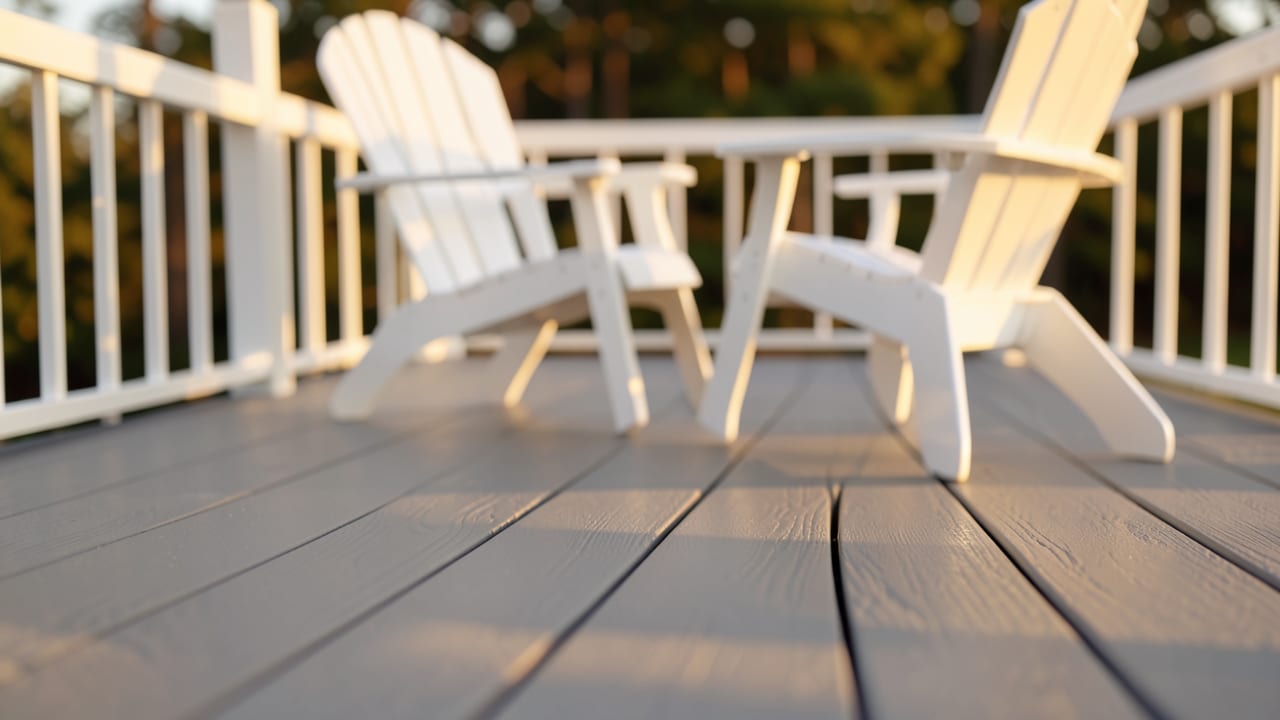
Spring Pollen Removal
High-pressure washing to remove pollen buildup from exterior surfaces.
Spring pollen in Land O’ Lakes and surrounding areas leaves a yellowish residue on siding, decks, and driveways that pressure washing can safely remove.
Unlike harsh chemicals, this process uses targeted water pressure and specialized detergents to restore surfaces, reduce allergens, and improve curb appeal—while protecting landscaping and avoiding damage to exterior materials.
We also handle Paver Sealing and Awning & Canopy Cleaning for Land O\ properties.
When to consider spring pollen removal
Spring pollen buildup often starts as faint yellow streaks on shaded or north-facing siding, where moisture lingers. Over time, it spreads and darkens, masking the original color of your home’s exterior. Pollen also collects in corners, under eaves, and around light fixtures—areas where dirt and debris accumulate first.
A quick check reveals whether cleaning is needed: Run your hand across the siding. If you feel a fine chalky residue, it’s likely oxidation or grime. If you see green or black streaking (common on damp, shaded sections), it’s algae or mildew.
Removing pollen early helps prevent deeper stains and reduces allergens around your home.
Signs Your Home Needs Pollen Removal
- Yellowish residue on siding, decks, or driveways that doesn’t wipe away easily.
- Green or black streaking on shaded walls (algae or mildew).
- Chalky residue when running a hand across the surface (oxidation or grime buildup).
- Debris collecting in corners, under eaves, or around light fixtures before the rest of the siding looks dirty.
How pollen removal differs from regular pressure washing
Spring pollen removal focuses on low-pressure techniques to avoid damaging siding while effectively removing residue. Unlike high-pressure blasting, which can strip paint or force water behind panels, this method uses a detergent pre-treatment tailored to your siding material—vinyl, wood, stucco, or fiber cement—followed by a controlled rinse.
Protection is built into the process: landscaping near the foundation is wetted and covered, outlets are bagged, and the rinse is done at a consistent speed to prevent streaking. The goal is to clean without compromising the integrity of your home’s exterior.
| Material | Pressure Range (PSI) | Key Consideration |
|---|---|---|
| Vinyl Siding | 800–1,200 (soft wash) | Higher pressure risks seam damage; detergent dwell time is critical. |
| Wood Siding | 1,000–1,500 (low-pressure) | Requires careful rinse to avoid splintering or water absorption. |
| Stucco | 1,500–2,000 (wide-fan tip) | Exceeding limits can crack the surface; spot treatment for stains. |
| Fiber Cement | 1,200–1,800 (soft wash) | Factory finish is sensitive; pressure must match panel type. |
What affects pricing and timing
Pricing for spring pollen removal varies based on the size of your home, the materials involved, and how much buildup needs addressing. A full exterior wash typically ranges between $1,500 and $5,000+, depending on square footage and surface complexity.
Jobs in Land O’ Lakes and nearby areas follow the same pricing structure, as local conditions—like humidity and pollen levels—are consistent across the region.
Timing matters too. Pollen removal is most effective when scheduled before it spreads further, ideally in early spring. However, algae or mildew that’s been established for months may require additional passes or targeted treatments, which can extend the job.
How spring pollen removal works
This process combines detergent treatment and controlled pressure to safely remove pollen without damaging your home’s exterior.
- 1Surface Protection
Landscaping near the foundation is wetted and covered, and outlets or fixtures are bagged to prevent runoff or overspray damage.
- 2Detergent Pre-Treatment
A cleaning solution formulated for your siding material is applied at low pressure and left to dwell, breaking down pollen, algae, and mildew chemically.
- 3Soft-Wash Rinse
The siding is rinsed at under 500 PSI using a wide-fan tip, working top to bottom in overlapping passes at a consistent speed to avoid streaking.
- 4Spot Treatment
Heavily stained areas get a second, more concentrated pass instead of higher pressure, which can force water behind siding seams.
- 5Final Rinse and Inspection
A clear-water rinse removes detergent residue, and the siding is checked for missed spots or damage in daylight.
Frequently asked questions
How do I know if my siding needs pollen removal or just a regular wash?
Pollen buildup leaves a yellowish residue that’s often uneven, while general dirt is more uniform. If you see green or black streaking (algae/mildew) or feel a chalky residue when touching the surface, pollen removal is the right approach.
Will pressure washing damage my vinyl siding?
If done correctly, no—but improper pressure or technique can crack seams or force water behind panels. A soft-wash method with the right PSI for vinyl (typically 800–1,200 PSI) minimizes risk while effectively removing pollen.
How long will the results last before pollen builds up again?
Results vary based on moisture exposure, shading, and nearby vegetation. Trimming plants away from siding and fixing leaky gutters can slow regrowth, but pollen removal is typically a seasonal maintenance task.
Can I do this myself, or should I hire a professional?
DIY pressure washing risks streaking, uneven cleaning, or damage—especially on delicate materials like stucco or fiber cement. Professionals use targeted techniques and detergents to protect your home’s finish while removing pollen effectively.
See Elfers, FL for more, or find out about the full pressure washing lineup we run in Land O\ from start to finish for our complete lineup.
Ready to get started?
Talk to a local pressure washing pro in Land O\ — get a written quote.
Other Pressure Washing Services in Land O\
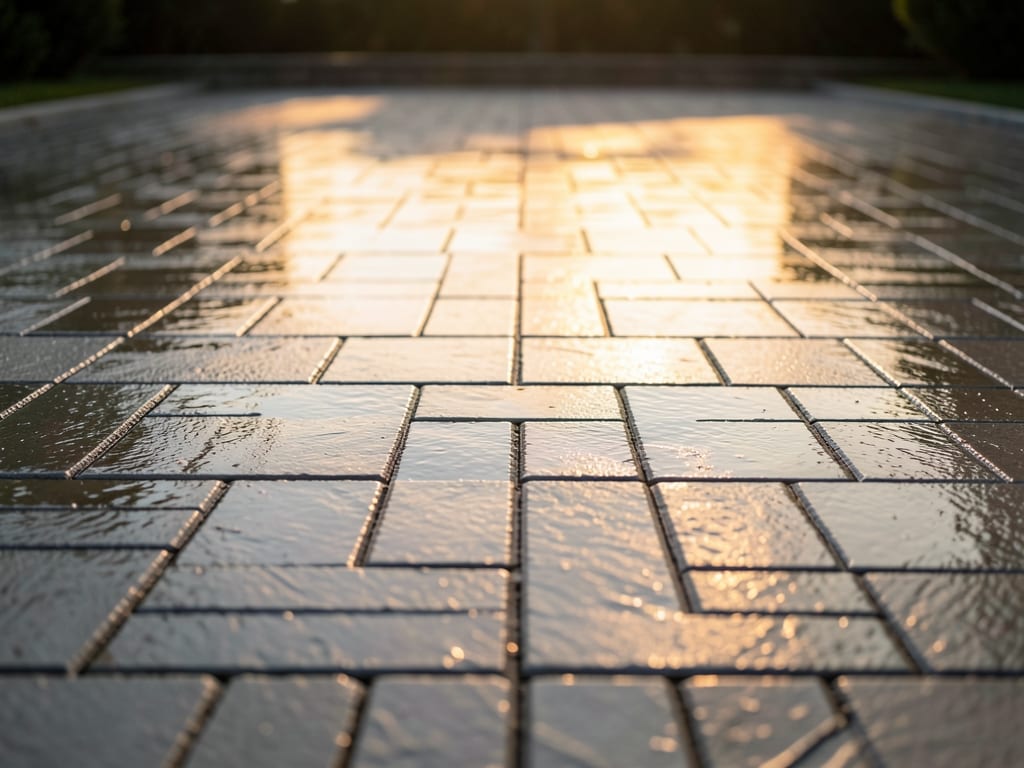
Paver Sealing in Land O\, FL
Paver sealing in Land O\, FL — a protective, wet-look finish applied after cleaning to lock in color and block stains.
Learn More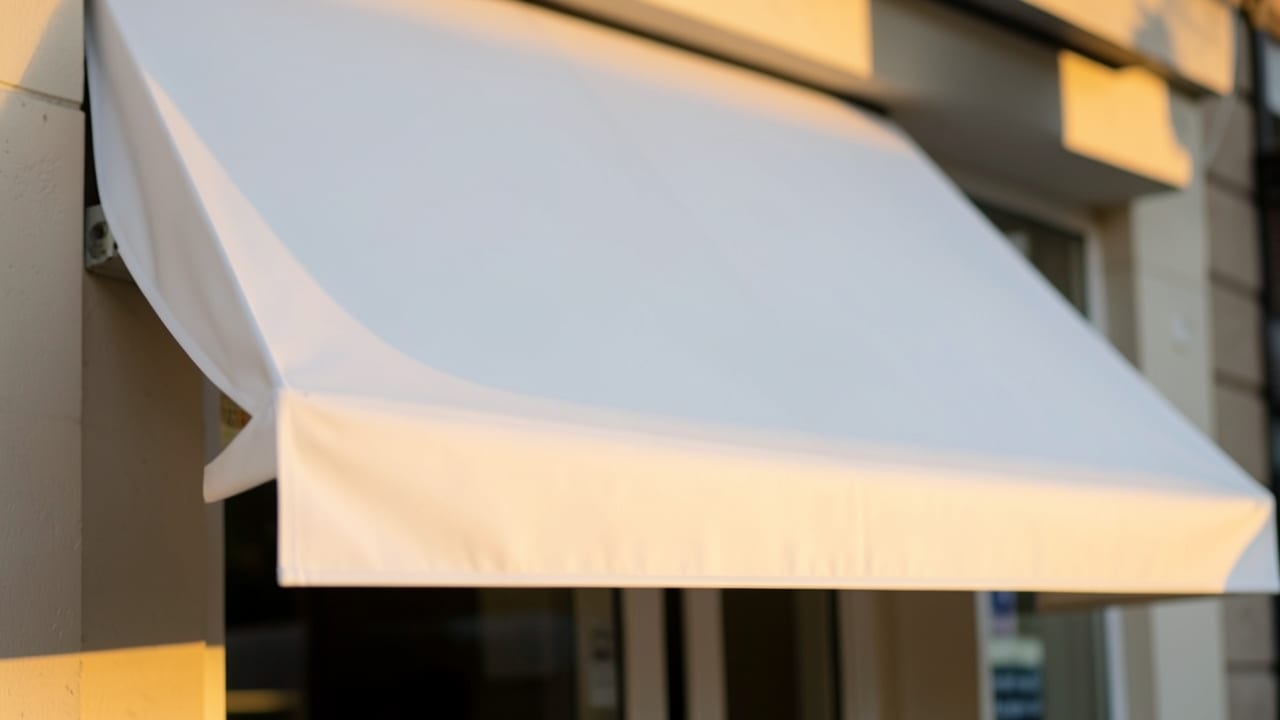
Awning & Canopy Cleaning in Land O\, FL
Awning and canopy cleaning in Land O\, FL — fabric-safe, low-pressure cleaning for storefront and residential awnings.
Learn More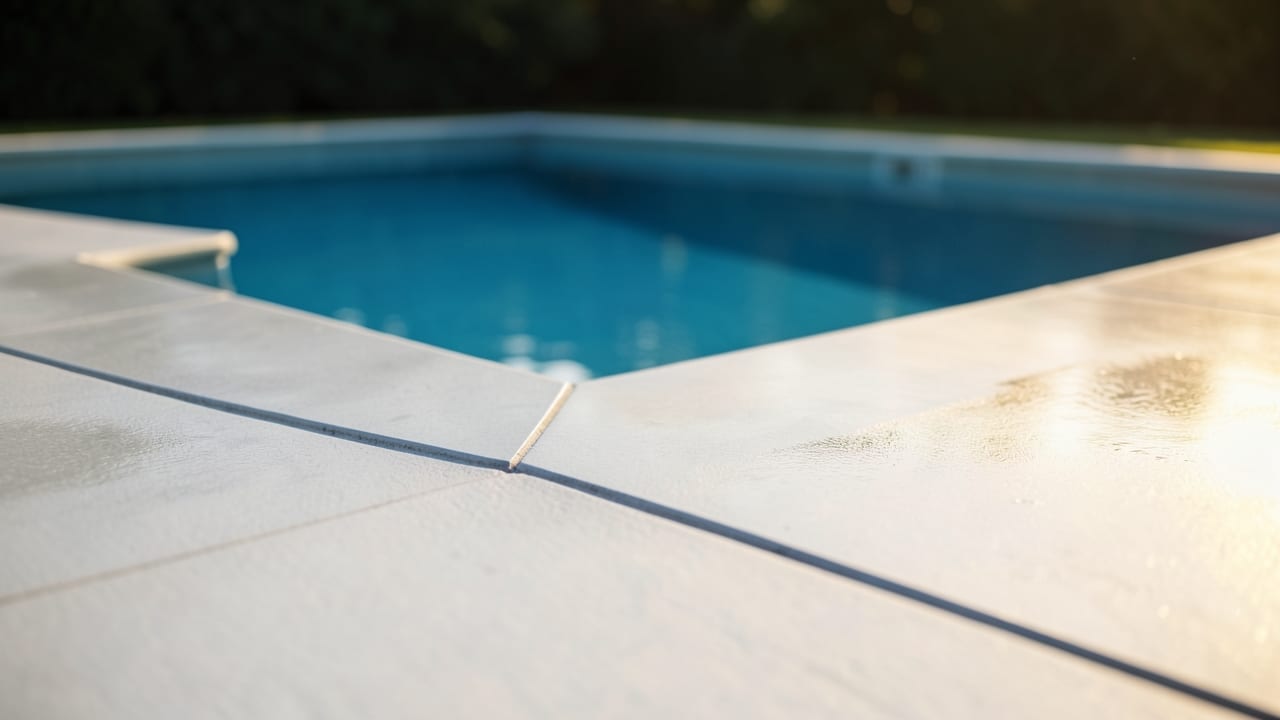
Pool Deck Cleaning in Land O\, FL
Pool deck cleaning in Land O\, FL — chemical-safe cleaning that restores slip resistance and removes algae staining.
Learn More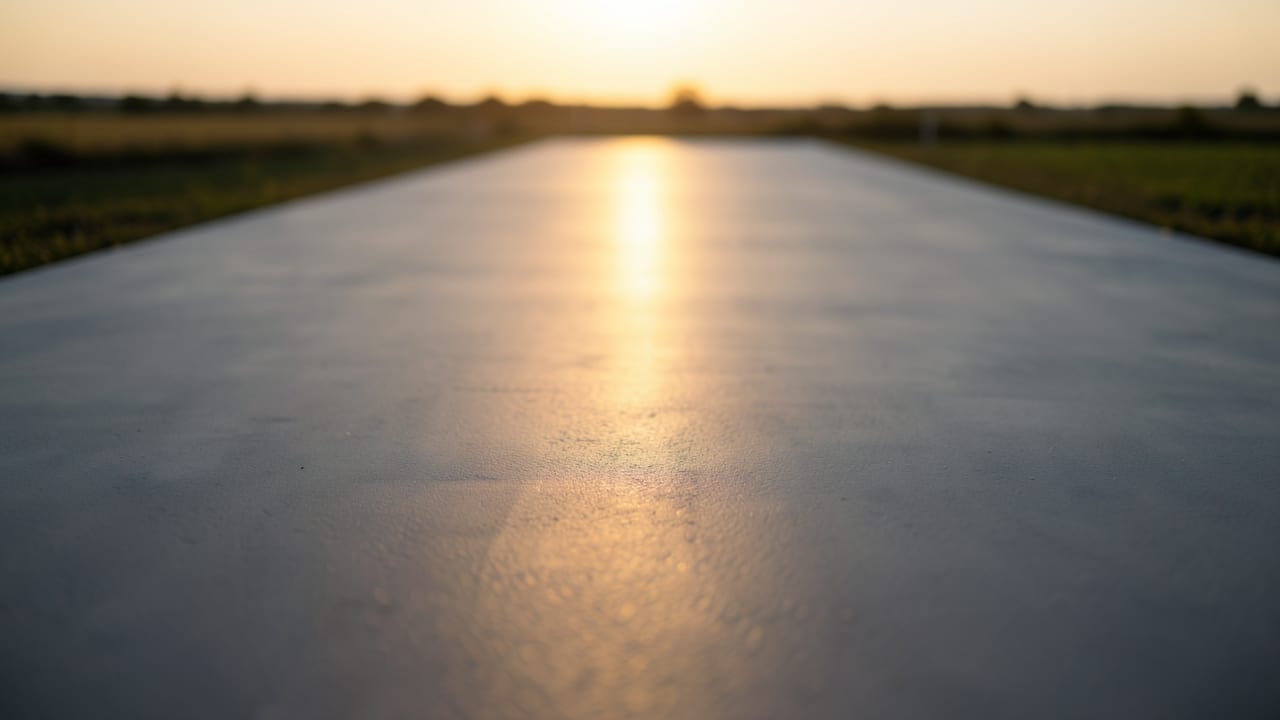
Oil Stain Removal in Land O\, FL
High-pressure cleaning to remove oil stains from driveways, garages, and other surfaces.
Learn More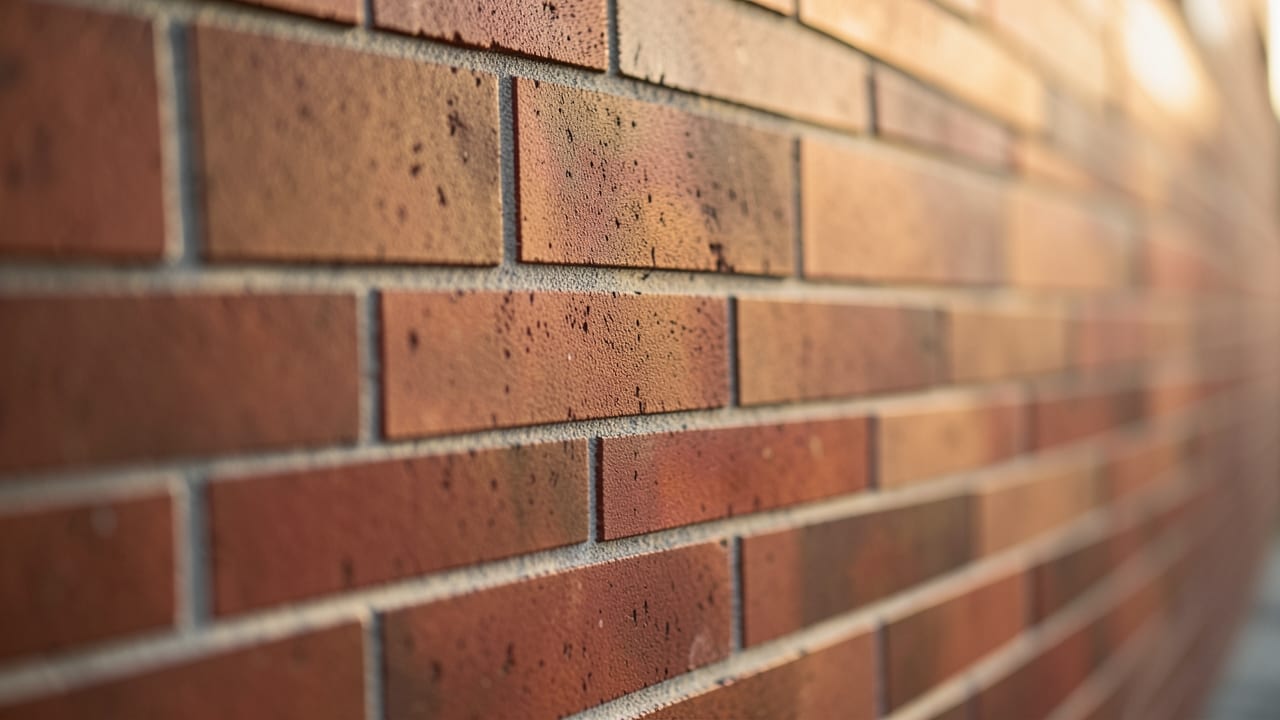
Brick Cleaning in Land O\, FL
Professional pressure washing to remove dirt, grime, and stains from brick surfaces.
Learn More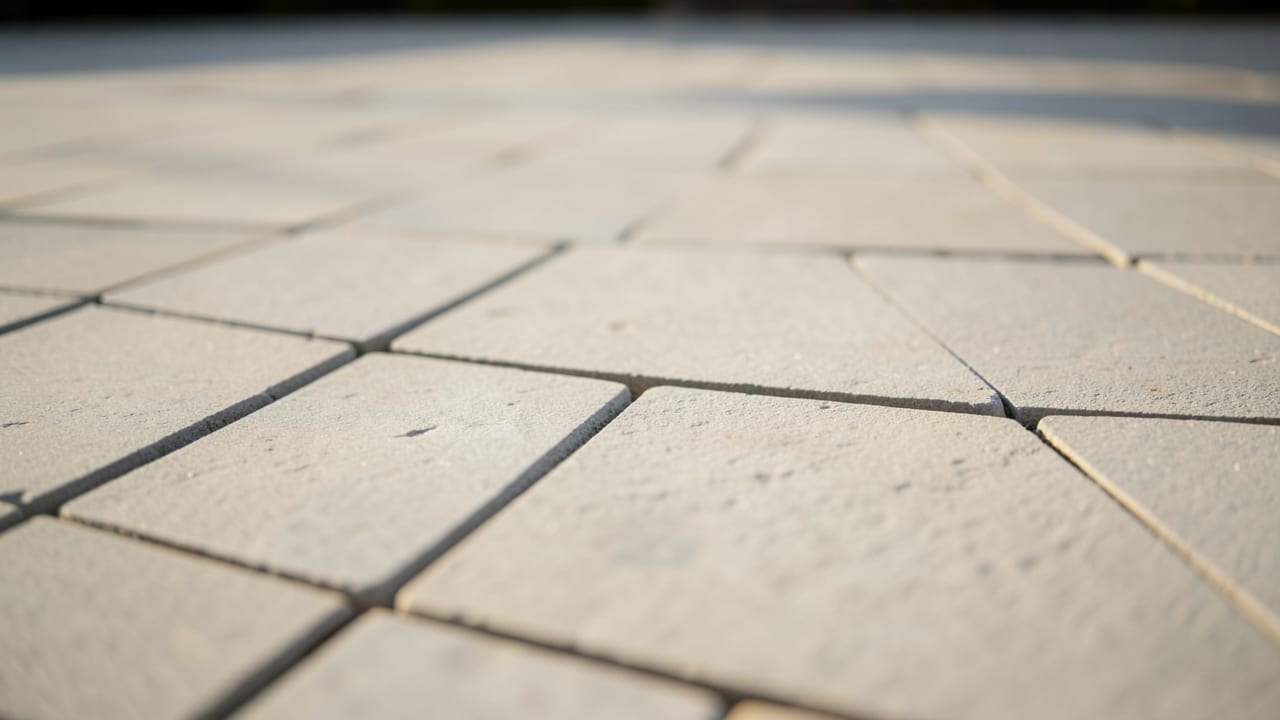
Stone Cleaning in Land O\, FL
High-pressure washing to remove dirt, grime, and stains from stone surfaces like driveways and patios.
Learn MoreCommon Questions About Pressure Washing in Land O\
Everything you need to know about pressure washing services in Land O\
How much does Spring Pollen Removal typically cost in Land O\, FL?
Why does algae and mildew growth on homes in Land O\, FL come back so quickly?
Are the cleaning chemicals used in soft washing safe for landscaping and pets?
Would home insurance cover damage caused by improper pressure washing?
Can pressure washing strip paint or an existing sealant off a surface?
Is renting a pressure washer and doing the job at home a reasonable option?
Need Pressure Washing in Land O\?
Get a written quote from our Land O\ crew.
⏰ We answer your call • Serving all of Land O\ and surrounding areas