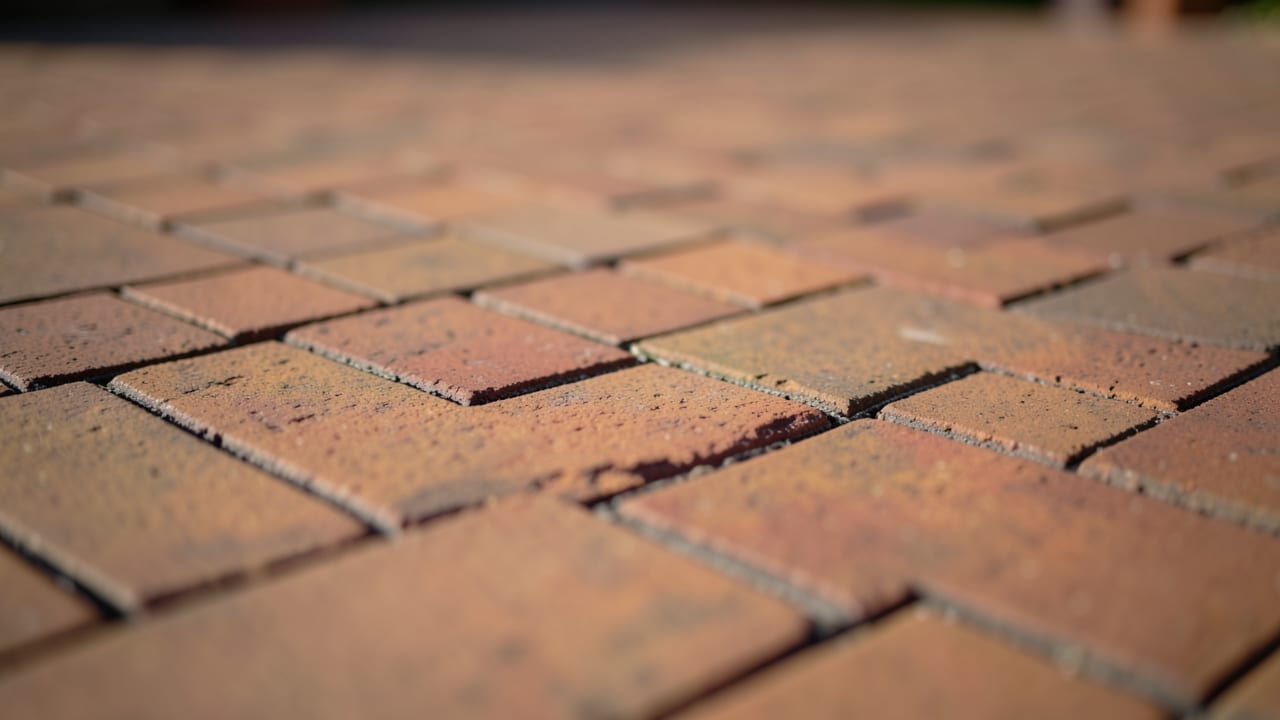
Patio Cleaning
High-pressure washing to remove dirt, grime, and stains from patios, restoring their appearance.
Patio cleaning in Land O’ Lakes, FL, uses high-pressure water and targeted detergents to remove deep-seated grime, oil stains, and organic buildup from concrete, stone, or wood surfaces. This process restores your outdoor space’s appearance and usability, addressing issues like algae, efflorescence, and stubborn stains that regular cleaning misses.
Local conditions—such as Florida’s humidity and frequent rain—can accelerate staining, making professional cleaning an effective solution for homeowners in the area.
We also handle Pool Deck Cleaning and Oil Stain Removal for Land O\ properties.
When to clean your patio
Not all dirt looks the same, and not all stains respond to the same cleaning method. Dark, spreading oil stains or slick, wet-feeling surfaces often indicate algae or mildew that pressure alone won’t remove.
A green or black tinge in shaded areas or a white, powdery haze (efflorescence) are also signs your patio needs a deeper clean than sweeping or hose rinsing can provide.
Low spots that hold water after rain create ideal conditions for algae growth, while fresh oil spills left untreated can seep into concrete pores over time.
If your patio’s surface feels unevenly slick when wet or shows discoloration that doesn’t fade after rain, it’s likely time for professional pressure washing tailored to your material—whether it’s plain concrete, stamped, or sealed.
Signs Your Patio Needs Cleaning
- Dark stains that spread slightly at the edges over time (oil, rust, or tire marks).
- A surface that feels noticeably slippery when wet, beyond normal wet concrete.
- Green or black discoloration in shaded corners or low spots (algae or mildew).
- White, powdery residue (efflorescence) that doesn’t wash away with a hose.
- Visible etching or swirl marks from previous pressure washing attempts.
What affects pricing and results
The cost of patio cleaning varies based on the surface material, size, and the level of buildup. Sealed or stamped concrete requires a gentler approach than plain concrete to avoid damaging the finish, while organic stains or heavy oil deposits may need additional pre-treatment.
The process also includes runoff containment and a final rinse to protect nearby landscaping and storm drains.
Local market data suggests patio cleaning in the Land O’ Lakes area typically ranges between $60 and $70 per square foot for moderate soil buildup, though actual pricing depends on the job’s specific conditions.
For example, a patio with heavy algae growth or oil stains may require extra time and materials, while a flat, well-maintained surface with light grime will cost less.
What to ask before hiring
Not all pressure washing methods or chemicals are suitable for every patio material. For example, sealed concrete can discolor if cleaned with the same pressure used on plain concrete.
It’s important to confirm whether the service provider uses a soft-wash method for delicate surfaces or high-pressure for heavy-duty stains, and whether they disclose the PSI (pressure setting) for each material.
Runoff from cleaning chemicals can affect nearby plants or pets, so ask what detergents are used and how they’re contained. Additionally, clarify whether the quote includes post-cleaning sealing—this step helps the finish last longer by filling pores that stains would otherwise re-enter.
Always review the scope of work in writing to avoid surprises.
Avoid quotes that don’t specify the PSI or method (pressure vs. soft wash) for each surface, or that bundle unrelated services (like roof or siding cleaning) without itemizing costs. Unusually low prices may indicate rushed work, lower-quality equipment, or undisclosed chemical risks to landscaping.
How patio cleaning works
Professional patio cleaning follows a structured process to safely and effectively remove stains and grime without damaging the surface.
- 1Surface Assessment
The technician inspects the patio to identify the material (plain concrete, sealed, or stamped) and the type of stains present. This determines the appropriate pressure setting and pre-treatment needed to avoid discoloration or etching.
- 2Pre-Treatment Application
A degreasing or stain-lifting detergent is applied to oil spots, tire marks, or organic stains and left to dwell. This step is critical for lifting embedded stains rather than spreading them outward during pressure washing.
- 3Pressure Washing with Surface Cleaner
The patio is cleaned in overlapping passes using a surface cleaner attachment held at a consistent distance and angle. This ensures an even clean without the ringed or striped pattern a handheld wand can create.
- 4Edge and Detail Finishing
Expansion joints, edges, and corners are cleaned separately at a lower pressure to prevent etching. These areas are also where a handheld wand is most likely to leave visible marks if held too close.
- 5Rinse and Runoff Containment
The patio is rinsed with clear water, and runoff containing detergent or lifted contaminants is directed away from storm drains and planting beds to protect the environment and landscaping.
Frequently asked questions
Will pressure washing damage my sealed or stamped concrete patio?
Sealed or stamped concrete requires a lower pressure setting than plain concrete to avoid discoloration or stripping the finish. A professional will assess your surface beforehand and adjust the method accordingly, but some patterns or sheens may still fade slightly over time.
How long does it take for a patio to dry after cleaning?
A freshly cleaned patio typically dries within 2–4 hours, depending on humidity and sunlight. Avoid walking on it until fully dry to prevent slipping or re-soiling. If sealing is applied afterward, drying time may extend to 24 hours.
Can I clean my patio myself, or should I hire a professional?
DIY pressure washing can work for light grime on plain concrete, but heavy stains, algae, or sealed surfaces often require professional-grade equipment and detergents. Improper pressure or technique can also etch or discolor the surface, making professional cleaning a safer choice for stubborn issues.
How often should I clean my patio to keep it looking new?
Routine sweeping and occasional hosing can help, but professional cleaning is recommended every 1–2 years, or more often if your patio is shaded, has heavy foot traffic, or shows signs of oil or organic stains. Sealing after cleaning can extend the time between deep cleanings.
See Cheval, FL for more, or check out what we cover for Land O\ properties by neighborhood for our complete lineup.
Ready to get started?
Talk to a local pressure washing pro in Land O\ — get a written quote.
Other Pressure Washing Services in Land O\
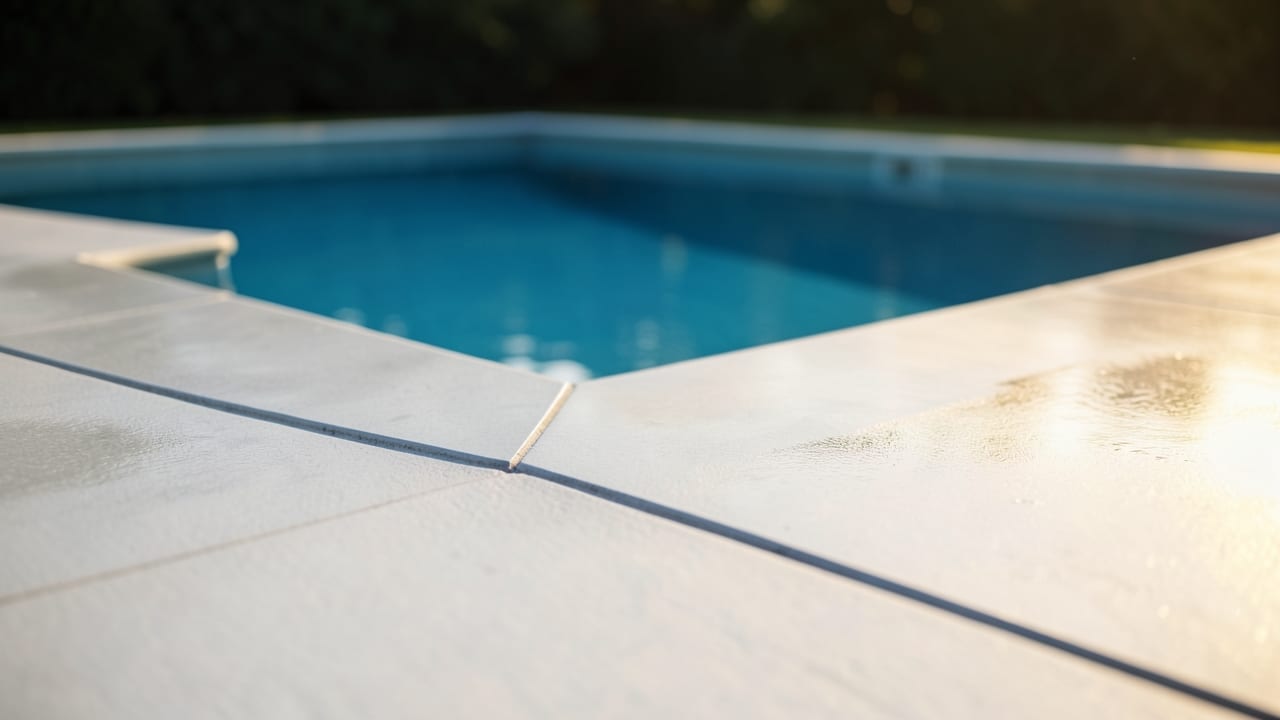
Pool Deck Cleaning in Land O\, FL
Pool deck cleaning in Land O\, FL — chemical-safe cleaning that restores slip resistance and removes algae staining.
Learn More
Oil Stain Removal in Land O\, FL
High-pressure cleaning to remove oil stains from driveways, garages, and other surfaces.
Learn More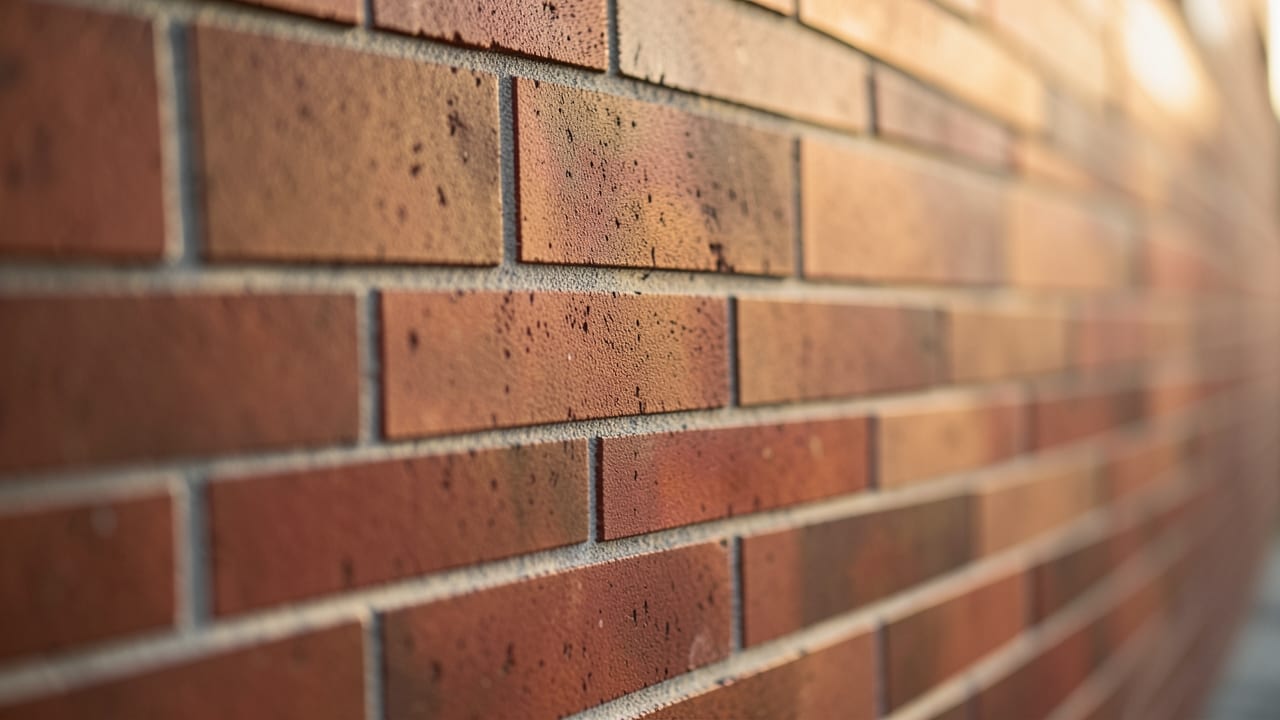
Brick Cleaning in Land O\, FL
Professional pressure washing to remove dirt, grime, and stains from brick surfaces.
Learn More
Stone Cleaning in Land O\, FL
High-pressure washing to remove dirt, grime, and stains from stone surfaces like driveways and patios.
Learn More
Parking Lot Cleaning in Land O\, FL
High-pressure washing to remove dirt, oil, and debris from parking lot surfaces.
Learn More
Storefront Cleaning in Land O\, FL
High-pressure washing to remove dirt, grime, and stains from storefront exteriors.
Learn MoreCommon Questions About Pressure Washing in Land O\
Everything you need to know about pressure washing services in Land O\
How much does Patio Cleaning typically cost in Land O\, FL?
Why does algae and mildew growth on homes in Land O\, FL come back so quickly?
What are the actual named steps in a professional pressure washing job?
Can the wrong PSI actually damage a house or driveway?
What's the actual difference between pressure washing and soft washing?
How often should a home's exterior actually be washed?
Need Pressure Washing in Land O\?
Get a written quote from our Land O\ crew.
⏰ We answer your call • Serving all of Land O\ and surrounding areas