
Exterior Light Fixture Cleaning
Professional cleaning of outdoor light fixtures to remove dirt, grime, and debris using pressure washing.
Exterior light fixture cleaning in Land O’ Lakes, FL, restores brightness and safety by removing dirt, pollen, and cobwebs that dim fixtures over time. Pressure washing targets built-up grime without damaging glass or housing, while careful techniques protect nearby landscaping and electrical components from overspray or runoff.
This service helps maintain visibility and curb appeal for homes across the region, including Lutz, Wesley Chapel, and Zephyrhills.
We also handle Oil Stain Removal and Brick Cleaning for Land O\ properties.
When to clean exterior light fixtures
Light fixtures accumulate grime gradually, often in corners, under eaves, and around mounting points—areas where cobwebs, insect debris, and dirt collect first. Homeowners may notice a dulling of light output or visible streaking, especially on fixtures facing shaded or north-facing walls.
Running a hand across the glass can reveal a fine chalky residue, indicating oxidation or grime buildup.
Algae or mildew appears as green or black streaks, typically on the side of the house with the least sun exposure. These stains spread over time if left untreated, while general dirt buildup may be more evenly distributed.
Comparing a recently cleaned fixture to one that’s been exposed for months highlights how quickly new grime accumulates, especially in humid Florida climates.
Signs Your Fixtures Need Cleaning
- Light output appears noticeably dimmer than when the fixture was new or last cleaned.
- Visible streaks, cobwebs, or insect debris collect in corners or around the base.
- Running a hand across the glass leaves a chalky residue or dark smudge.
- Green or black streaks (algae/mildew) appear on shaded or north-facing fixtures.
- Neighboring fixtures look cleaner, indicating uneven maintenance over time.
What affects pricing and timing
The number of fixtures, their height, and accessibility (e.g., ladders or scaffolding needed) influence both cost and duration. Fixtures mounted near vegetation or under eaves may require extra care to protect plants and wiring, adding time to the job.
Pre-existing damage, such as cracked glass or corroded housings, may surface once grime is removed and could require separate repairs.
Humidity and recent rain can delay scheduling, as wet surfaces or high moisture levels may prevent safe cleaning. Seasonal factors, like pollen or hurricane debris, also impact how quickly fixtures re-dirt, affecting how often cleaning is recommended.
A thorough inspection before the job helps set realistic expectations for what the cleaning will—and won’t—address.
Preparation and protection
Before cleaning begins, landscaping near fixtures is wetted down and covered to prevent damage from detergent runoff or overspray. Outlets and nearby electrical components are bagged and shielded, as moisture can pose safety risks.
The cleaning solution used is formulated for the fixture material—aluminum, glass, or plastic—with dwell time applied to break down grime chemically before rinsing.
Pressure settings are adjusted to avoid damaging glass or housings, typically using a wide-fan tip at low pressure (under 500 PSI) to rinse evenly. Stubborn stains receive a targeted, low-pressure pass rather than higher pressure, which can force water behind seams or into electrical junctions.
A final clear-water rinse ensures no residue remains, followed by a daylight inspection for missed spots or damage.
Using a pressure washer wand directly at seams or up under fixture bases can push water into electrical components, creating hidden risks. High pressure on glass or plastic housings may crack or strip finishes, while inconsistent wand speed leaves streaked, uneven cleaning—especially noticeable on light-colored fixtures.
How exterior light fixture cleaning works
A structured approach ensures fixtures are cleaned safely and effectively without damaging surrounding surfaces.
- 1Inspect and Prepare
Fixtures are checked for damage, and nearby landscaping, outlets, and electrical components are protected with covers or bags. The cleaning solution, matched to the fixture material, is applied at low pressure to dwell and break down grime.
- 2Pre-Treat Stubborn Stains
Areas with algae, mildew, or heavy dirt buildup receive a concentrated solution and dwell time before rinsing, rather than relying on high pressure, which can force water into seams or behind housings.
- 3Rinse at Controlled Pressure
A wide-fan tip at under 500 PSI rinses the fixture top to bottom in overlapping passes, working at a consistent speed to avoid streaking. Pressure is adjusted to avoid damaging glass, plastic, or metal components.
- 4Final Inspection
A clear-water rinse removes all detergent residue, and the fixture is walked in daylight to check for missed spots, streaking, or any damage—such as cracked glass or loosened housings—that may need separate attention.
- 5Post-Cleaning Care
Homeowners are advised to trim vegetation touching fixtures, adjust sprinklers away from the walls, and clean gutters to slow future grime buildup, as these factors influence how quickly fixtures re-dirt.
Frequently asked questions
Will cleaning my fixtures make them brighter immediately?
Yes, removing built-up dirt, pollen, and cobwebs restores clarity and light output, but results depend on how long the grime has accumulated. Fixtures in shaded or humid areas may show faster re-dirting than those in sunny, dry spots.
Can pressure washing damage my light fixtures?
If done correctly with the right pressure and technique, no—but using improper pressure or aiming directly at seams can crack glass, strip finishes, or force water into electrical components. A professional inspection before cleaning helps identify risks.
How often should I clean my exterior light fixtures?
This varies by climate and exposure, but most homeowners in Land O’ Lakes benefit from cleaning every 12–18 months. Fixtures near trees, under eaves, or in shaded areas may need attention more frequently due to higher moisture and debris buildup.
What should I do if my fixtures have pre-existing damage?
Any damage—like cracked glass, corroded housings, or loose wiring—should be addressed separately after cleaning. A professional can assess whether repairs are needed before or after the fixture is restored to working order.
See Pebble Creek, FL for more, or see our complete Land O\ service list from start to finish for our complete lineup.
Ready to get started?
Talk to a local pressure washing pro in Land O\ — get a written quote.
Other Pressure Washing Services in Land O\

Oil Stain Removal in Land O\, FL
High-pressure cleaning to remove oil stains from driveways, garages, and other surfaces.
Learn More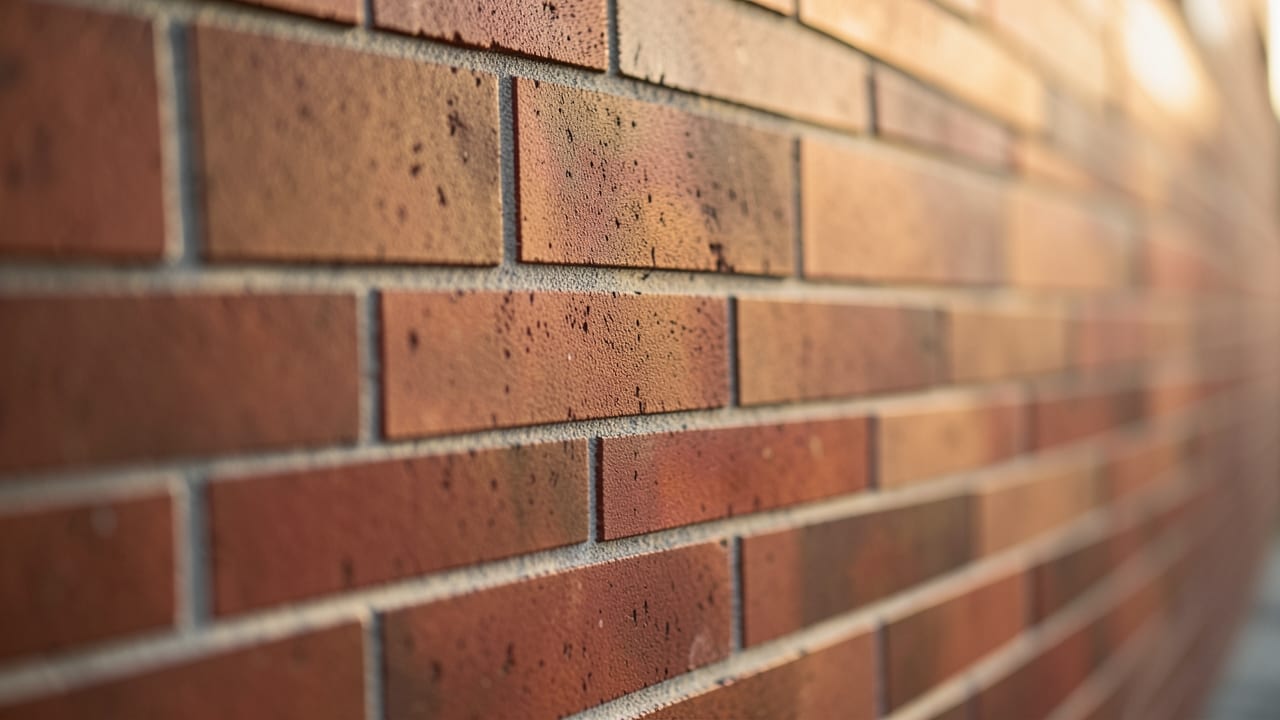
Brick Cleaning in Land O\, FL
Professional pressure washing to remove dirt, grime, and stains from brick surfaces.
Learn More
Stone Cleaning in Land O\, FL
High-pressure washing to remove dirt, grime, and stains from stone surfaces like driveways and patios.
Learn More
Patio Cleaning in Land O\, FL
High-pressure washing to remove dirt, grime, and stains from patios, restoring their appearance.
Learn More
Parking Lot Cleaning in Land O\, FL
High-pressure washing to remove dirt, oil, and debris from parking lot surfaces.
Learn More
Storefront Cleaning in Land O\, FL
High-pressure washing to remove dirt, grime, and stains from storefront exteriors.
Learn MoreCommon Questions About Pressure Washing in Land O\
Everything you need to know about pressure washing services in Land O\
How much does Exterior Light Fixture Cleaning typically cost in Land O\, FL?
Why does algae and mildew growth on homes in Land O\, FL come back so quickly?
How often should a home's exterior actually be washed?
Are the cleaning chemicals used in soft washing safe for landscaping and pets?
Would home insurance cover damage caused by improper pressure washing?
Can pressure washing strip paint or an existing sealant off a surface?
Need Pressure Washing in Land O\?
Get a written quote from our Land O\ crew.
⏰ We answer your call • Serving all of Land O\ and surrounding areas